Horton Grove
Nature Preserve
Explore 708 Acres of Oak-Hickory Forests and Pollinator Meadows
Explore 708 Acres of Oak-Hickory Forests and Pollinator Meadows
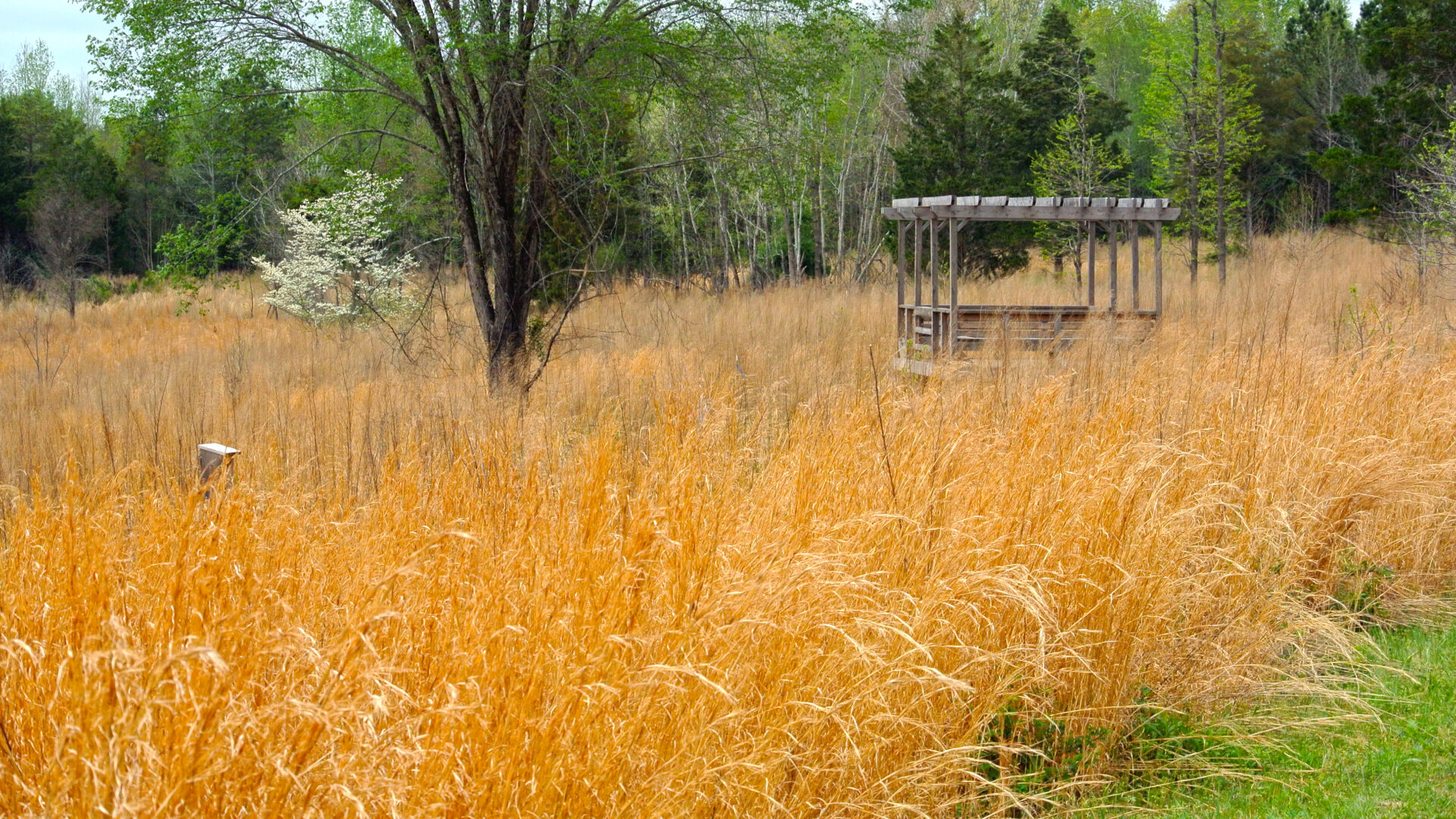
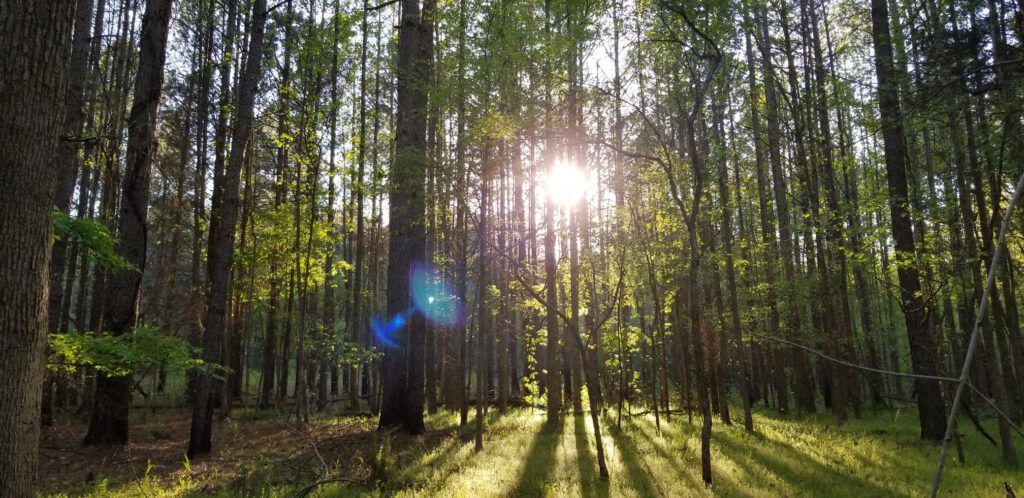
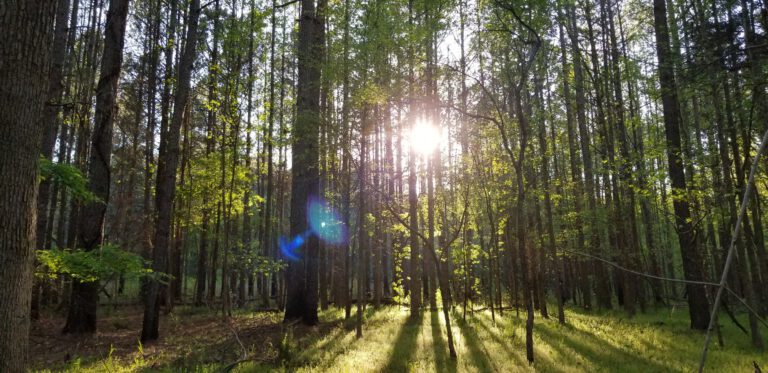
Just 15 minutes north of downtown Durham, Horton Grove is a haven for outdoor enthusiasts eager to escape the daily grind. Triangle Land Conservancy’s largest public preserve, the 708-acre area offers eight miles of hiking trails, making it possible to spend the day here, hiking, birding, or photographing the scenery. The trails offer a lot of variety as they wind through upland oak-hickory forests, by gentle creeks, and along native plant meadows.
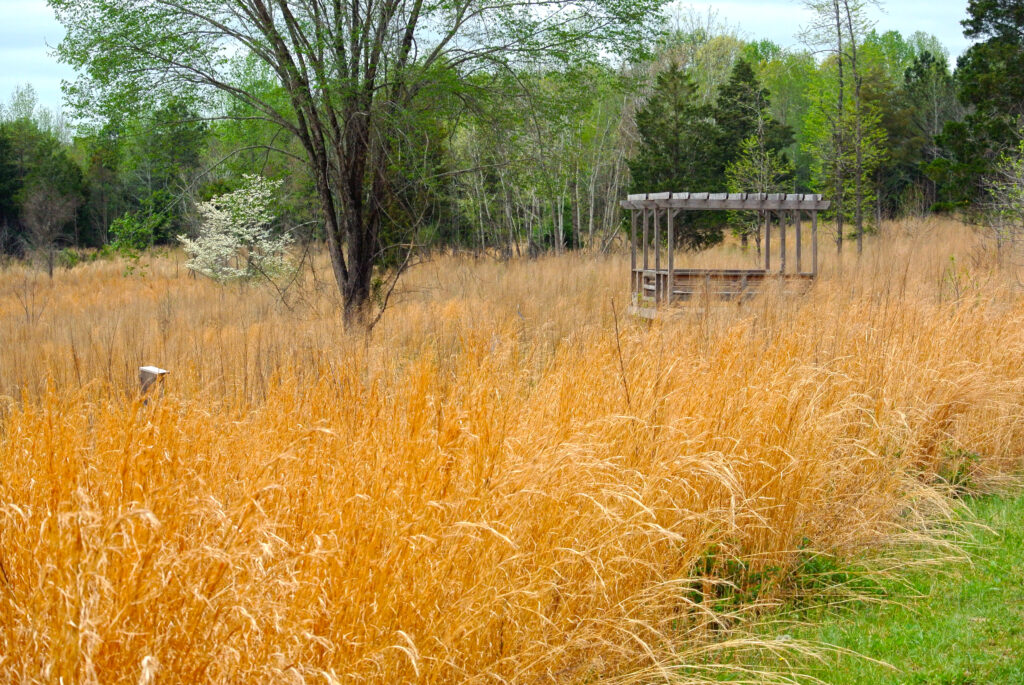
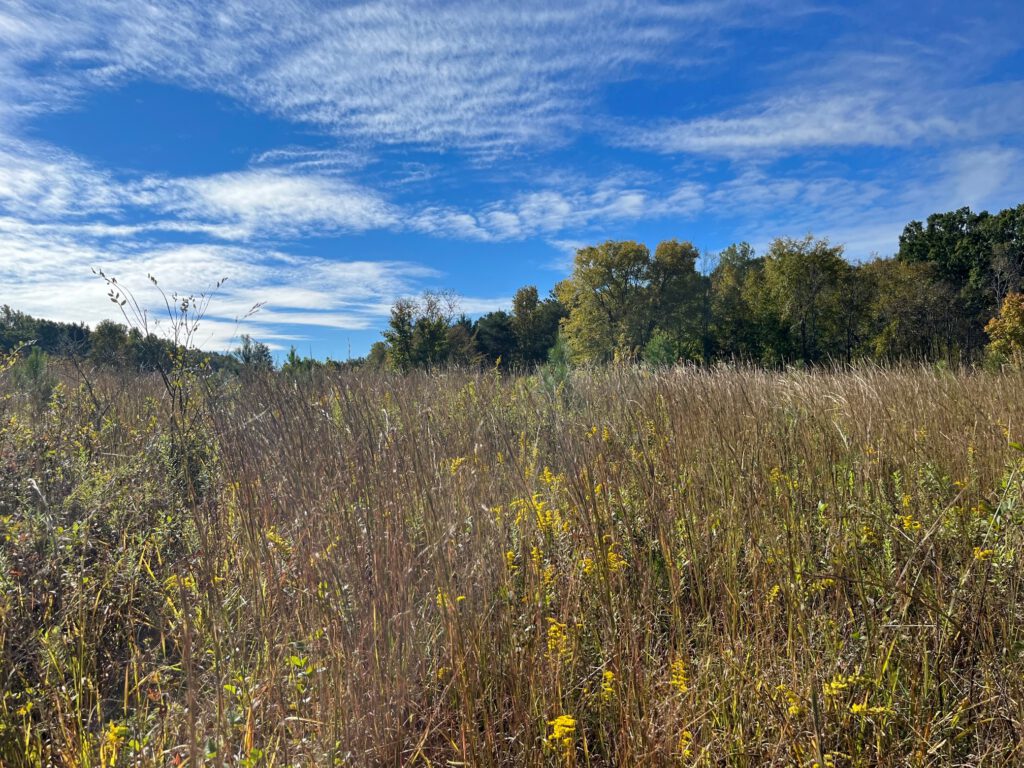
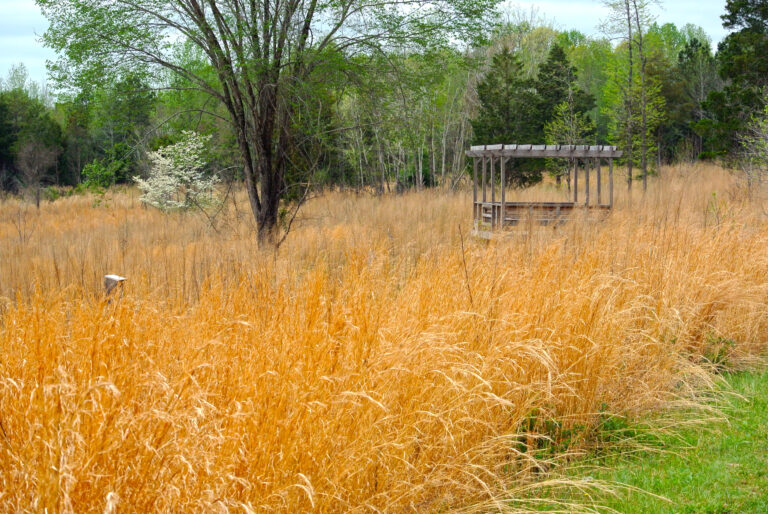
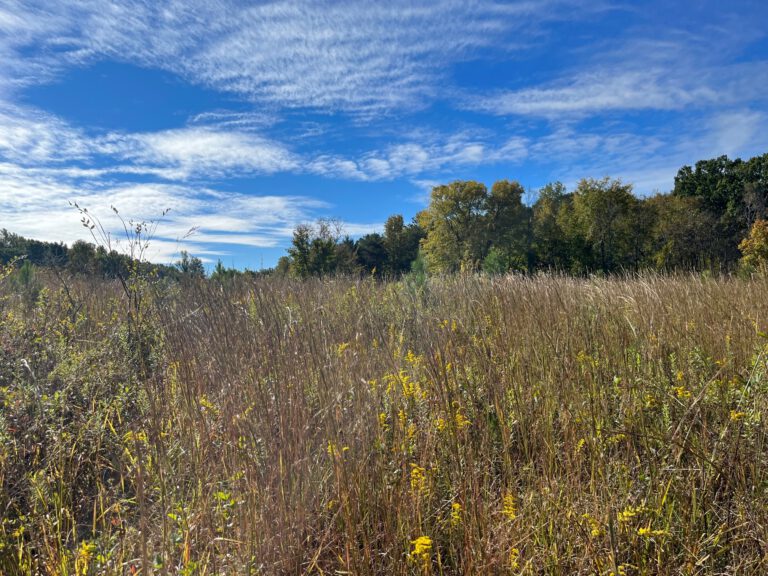
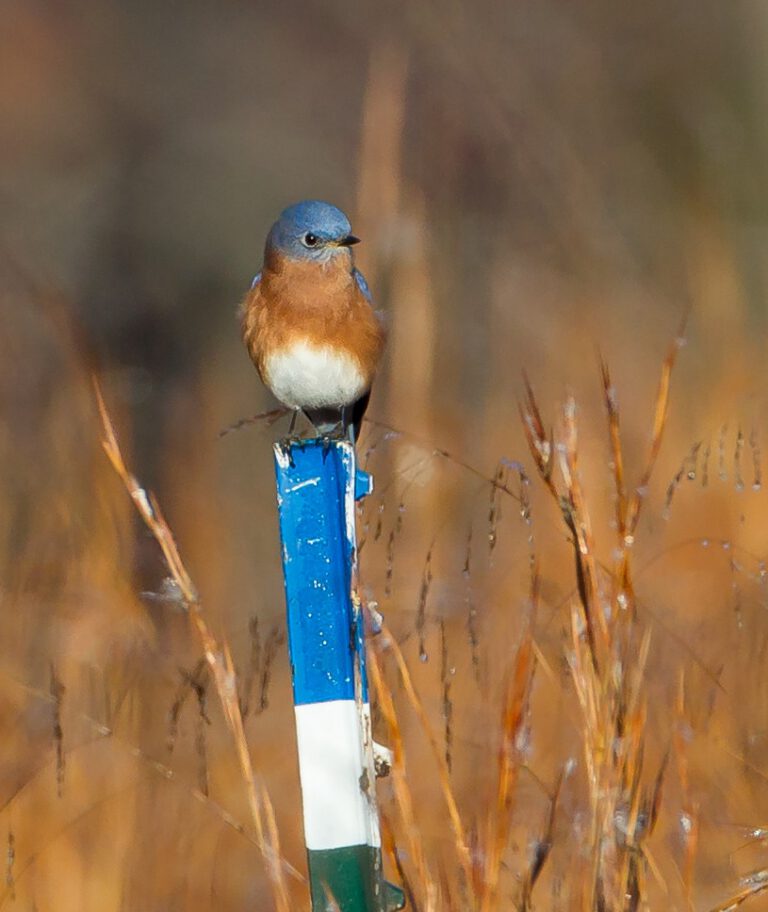
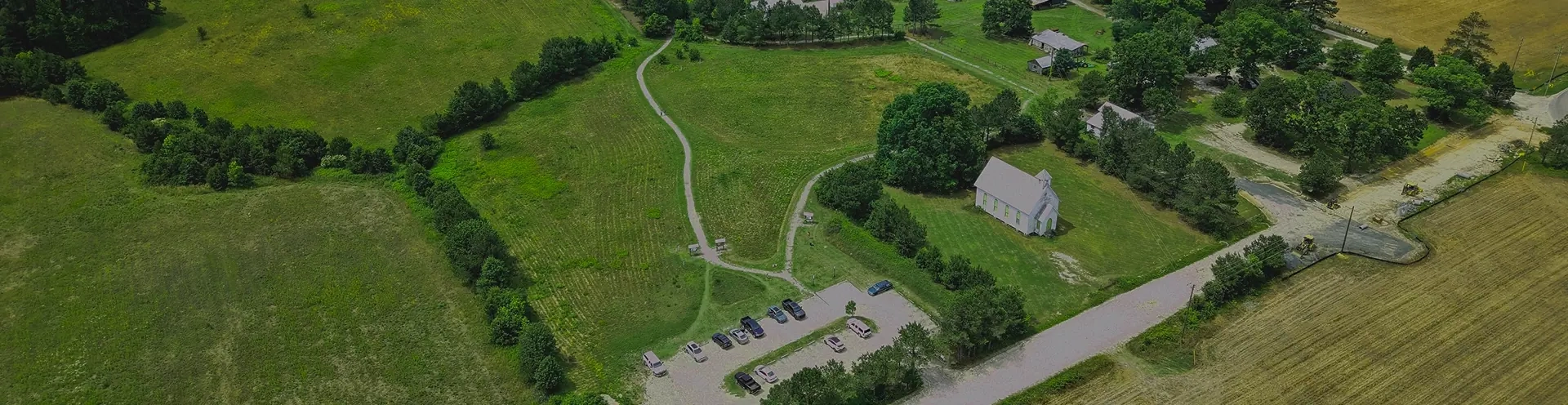
Visitors can see savanna-like grasslands that were once common in the Piedmont and which are now actively maintained by TLC staff and volunteers, who have seeded 20 acres of warm-season grassland around the main parking area. The grassland attracts birds such as northern harrier and loggerhead shrike, as well as pollinators like monarch butterflies that are drawn to flowering milkweed. An observation platform in the meadow is a great picnic spot.
Families with young children will enjoy the generally flat terrain at Horton Grove, as well as the .8-mile That Makes Sense Interpretative Trail, which features kiosks exploring how animals and people use their senses to navigate and survive in the world.

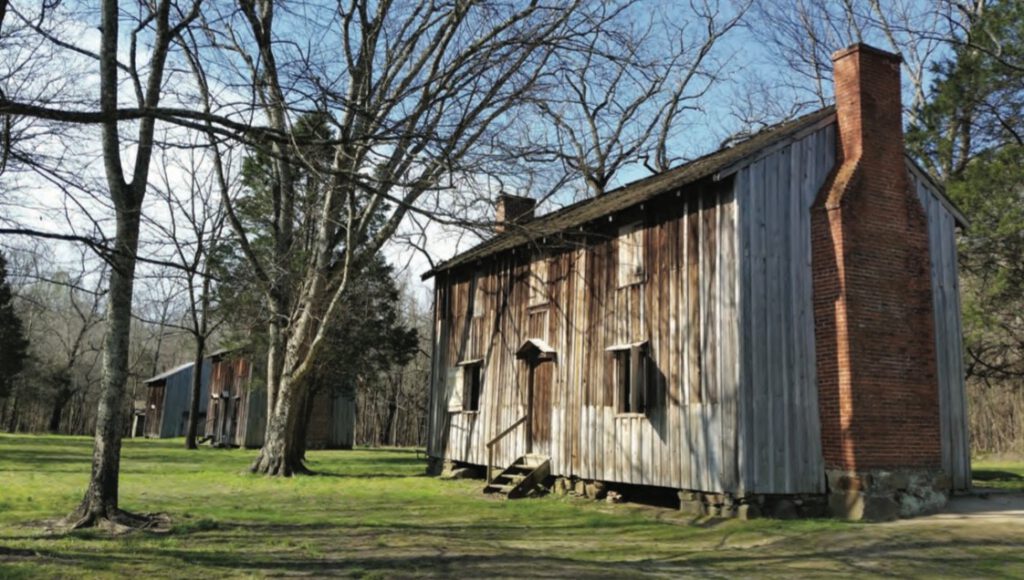

Horton Grove was once part of Stagville, one of North Carolina’s largest plantations, and the preserve’s trails are named for the Black families whose ancestors were enslaved and forced to work on the property. Special kiosks along the trails share the story of the families’ resilience and struggle for freedom. You can also visit Historic Stagville, an NC Historical Site and Site of Conscience.
Families with young children will enjoy the generally flat terrain at Horton Grove, as well as the .8-mile That Makes Sense Interpretative Trail, which features kiosks exploring how animals and people use their senses to navigate and survive in the world.
All TLC preserves are open dawn to dusk.
All TLC preserves have designated parking lots. Please park and access the preserves only through these entrances. Some preserves, like Brumley Nature Preserve, have several parking access points. Williamson Preserve (specifically, the Bootleggers Loop) can be accessed from the Neuse River Greenway.
Yes! Dogs are welcome at all TLC preserves but they must be leashed at all times on a 6-foot physical leash. This is critical for the safety of other visitors, wildlife, and farm animals.
All pet waste must be bagged and disposed of off the premises to protect water quality and habitats.
Cell phone service varies depending on your carrier and so is not guaranteed at any of the preserves. Cell coverage is generally poor at the southern half of Williamson Preserve near the Neuse River Greenway Trail, as well as most of Horton Grove and White Pines. Please plan accordingly.
Port-A-Johns are available at the Brumley South New Hope Church Road parking lot and at the Williamson Parking lot. No other preserves have restroom access or potable water.
With your support, we can secure a thriving tomorrow by taking action today